Blog
Get Started with Foxglove: Videos for New Users
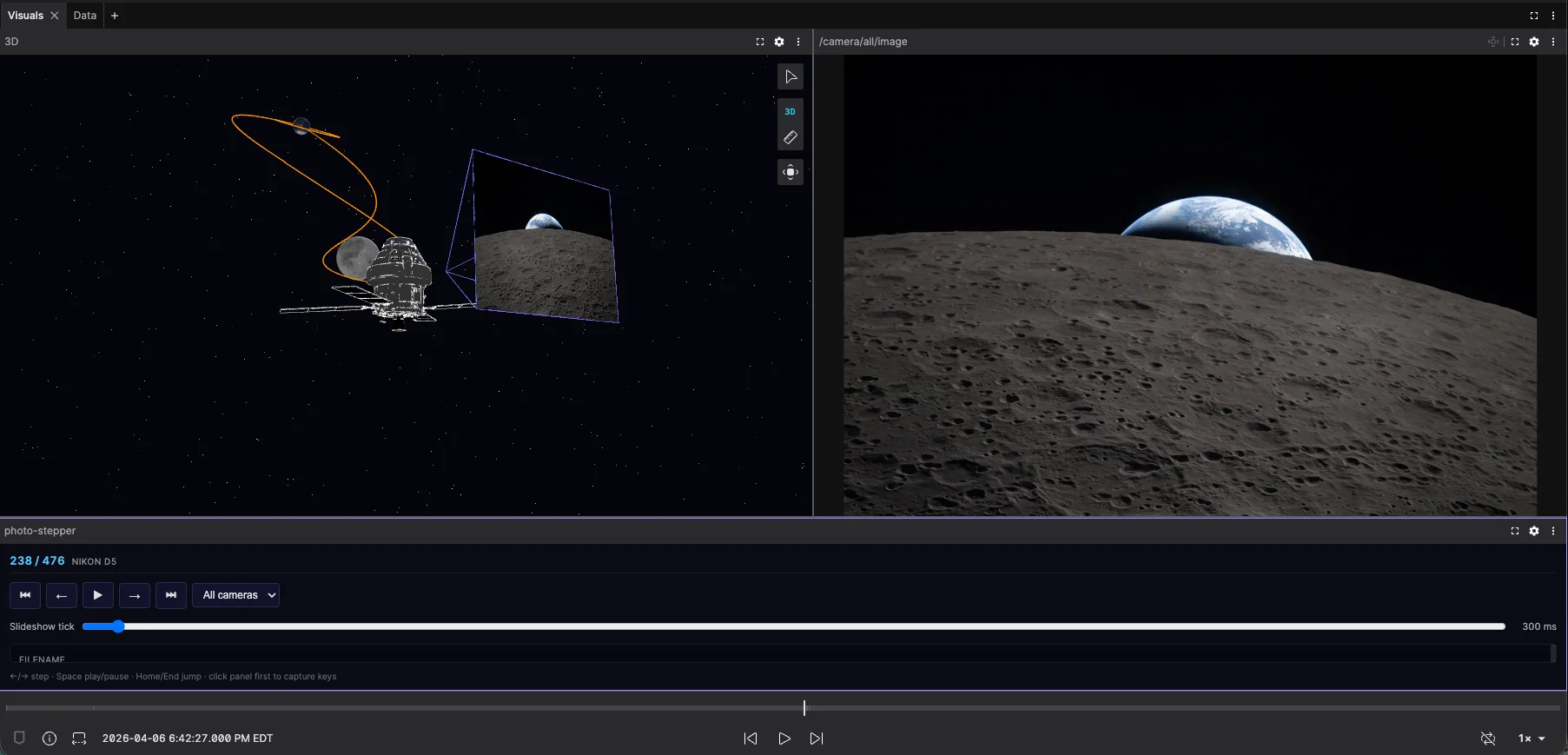
If you're getting started with Foxglove, one of the fastest ways to learn is by opening real data and seeing how the app works in practice.

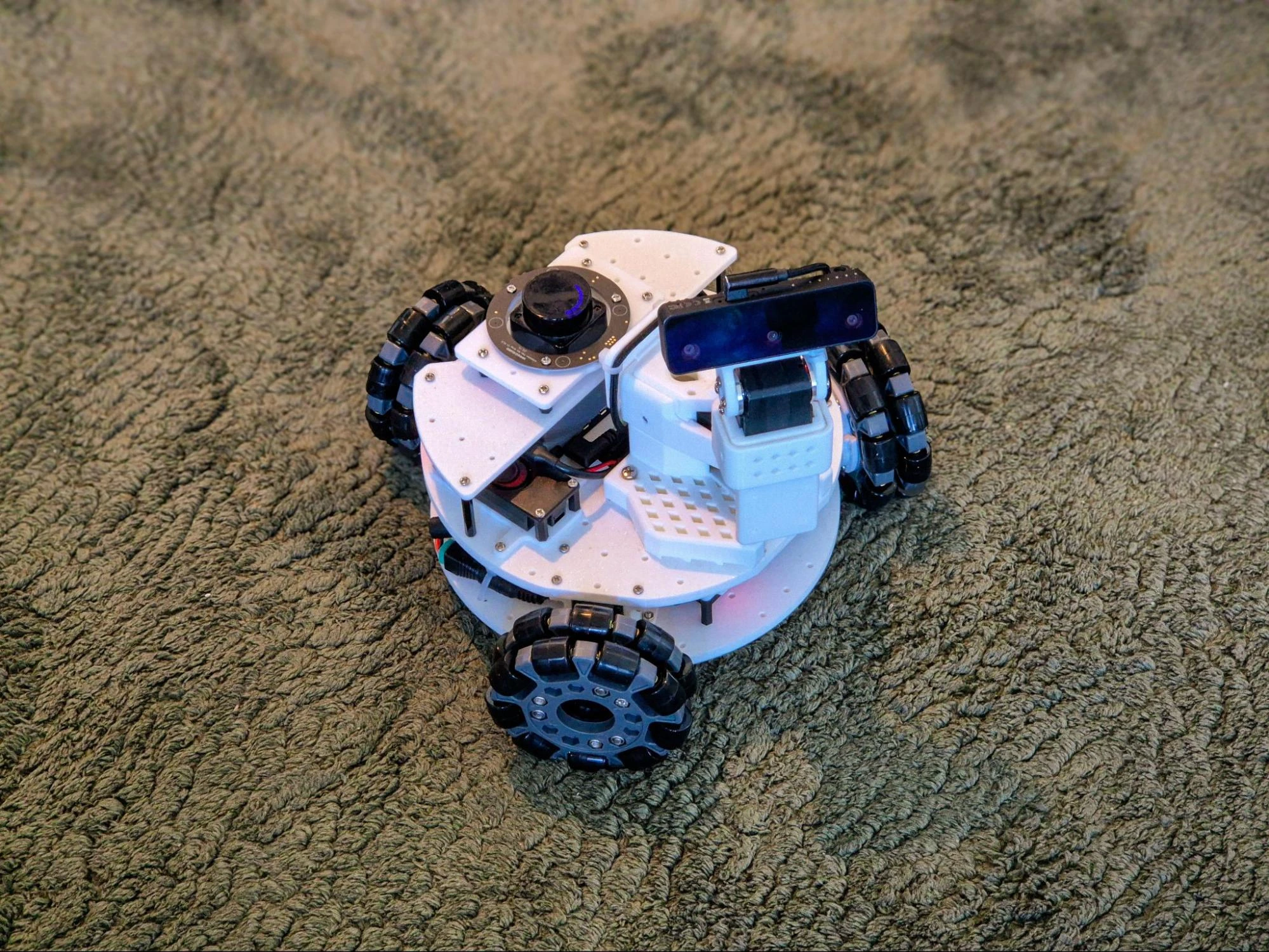
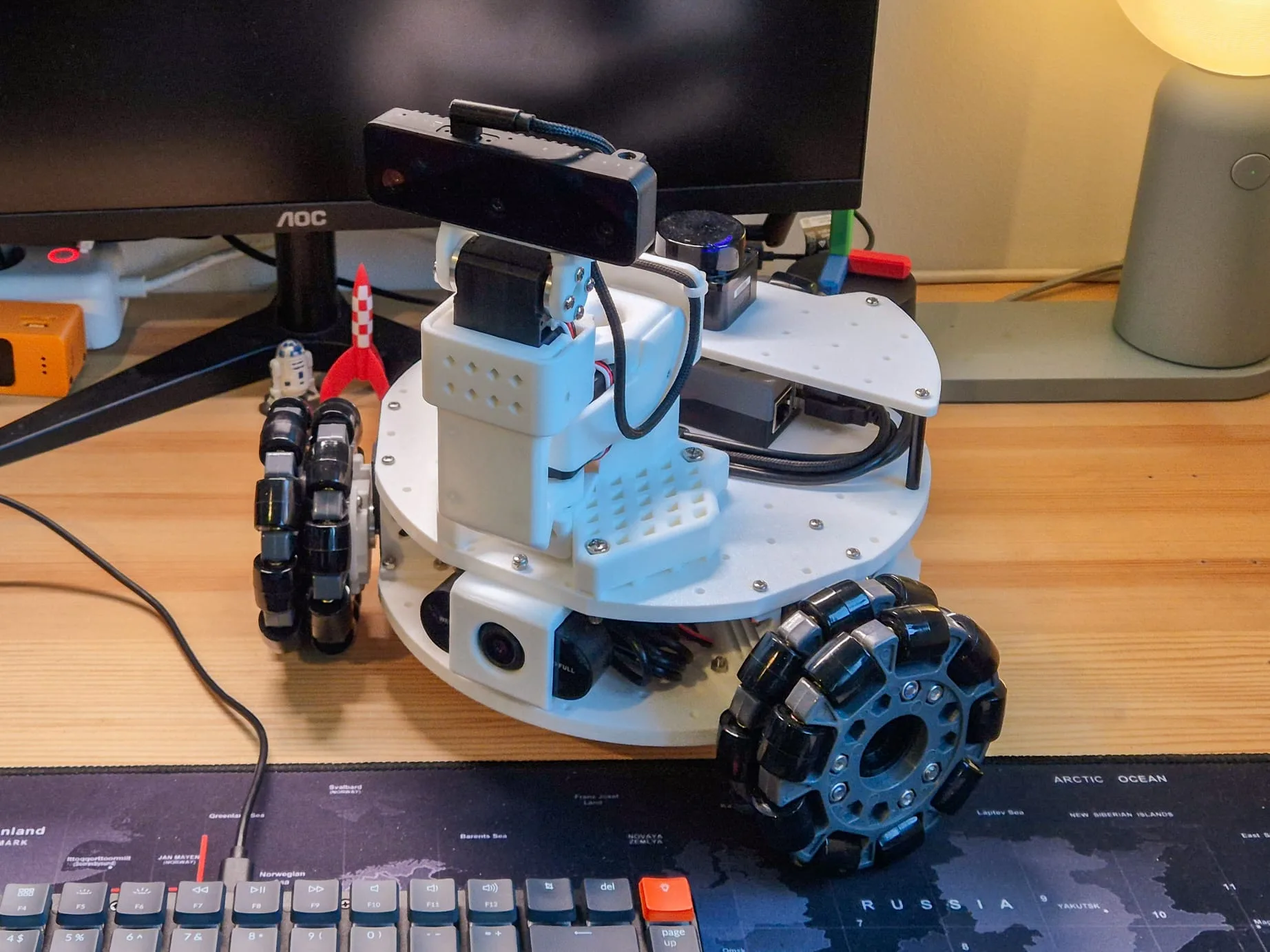
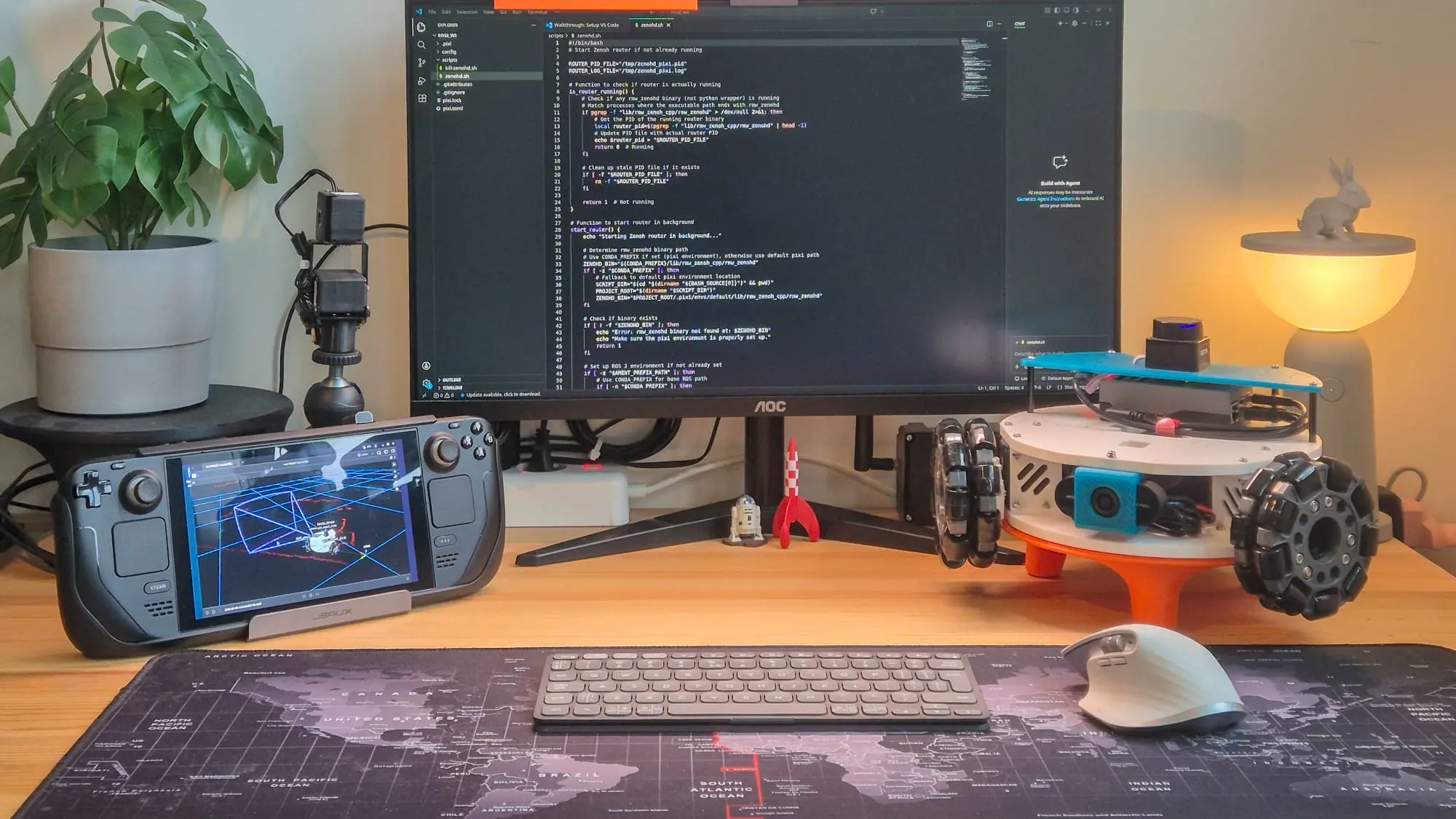
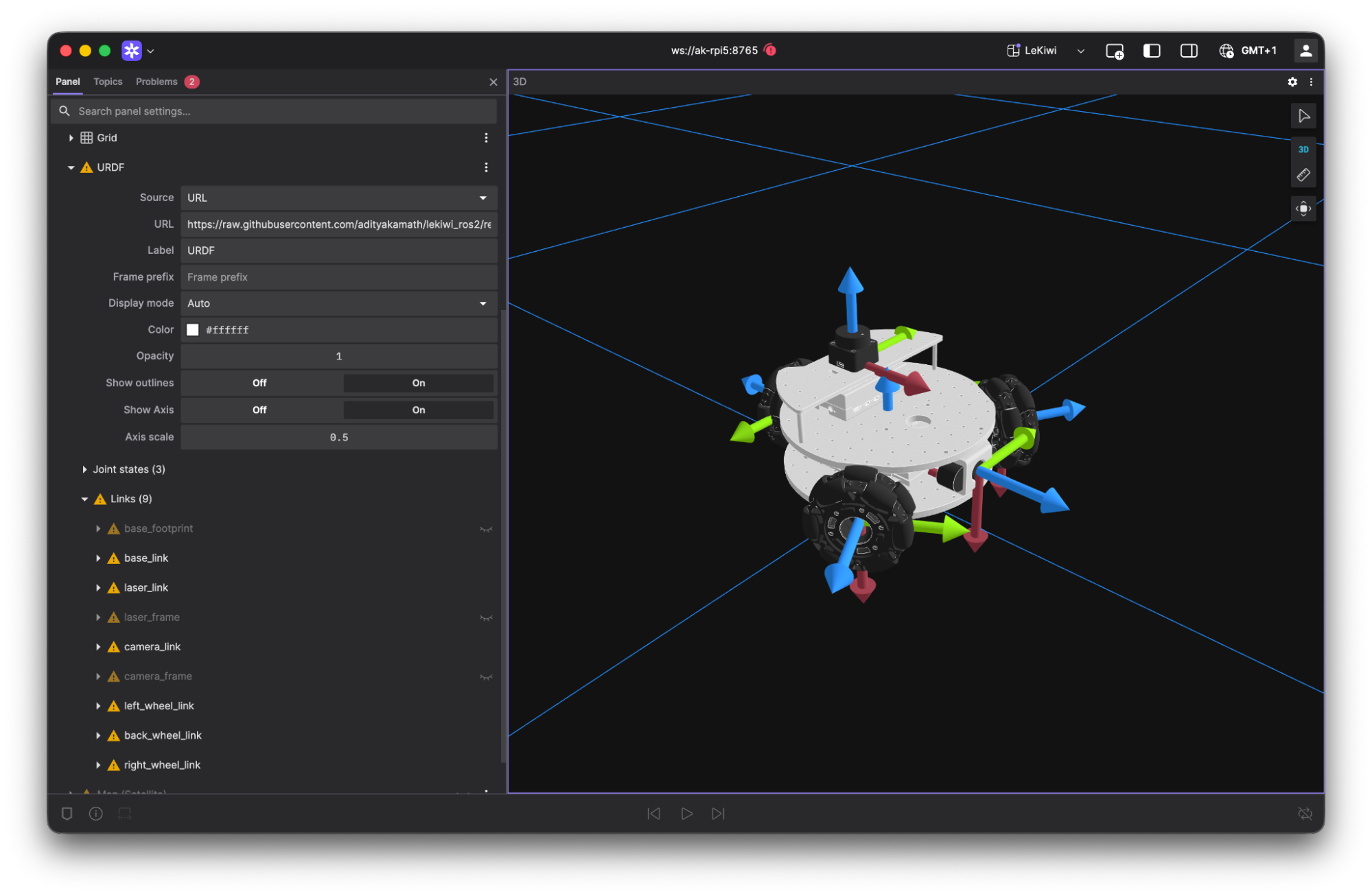
Upgrading the LeKiwi into a LiDAR-equipped explorer
Upgrading LeKiwi robot with a 2D LiDAR and ROS 2, transforming it into a low-cost open-source autonomous platform

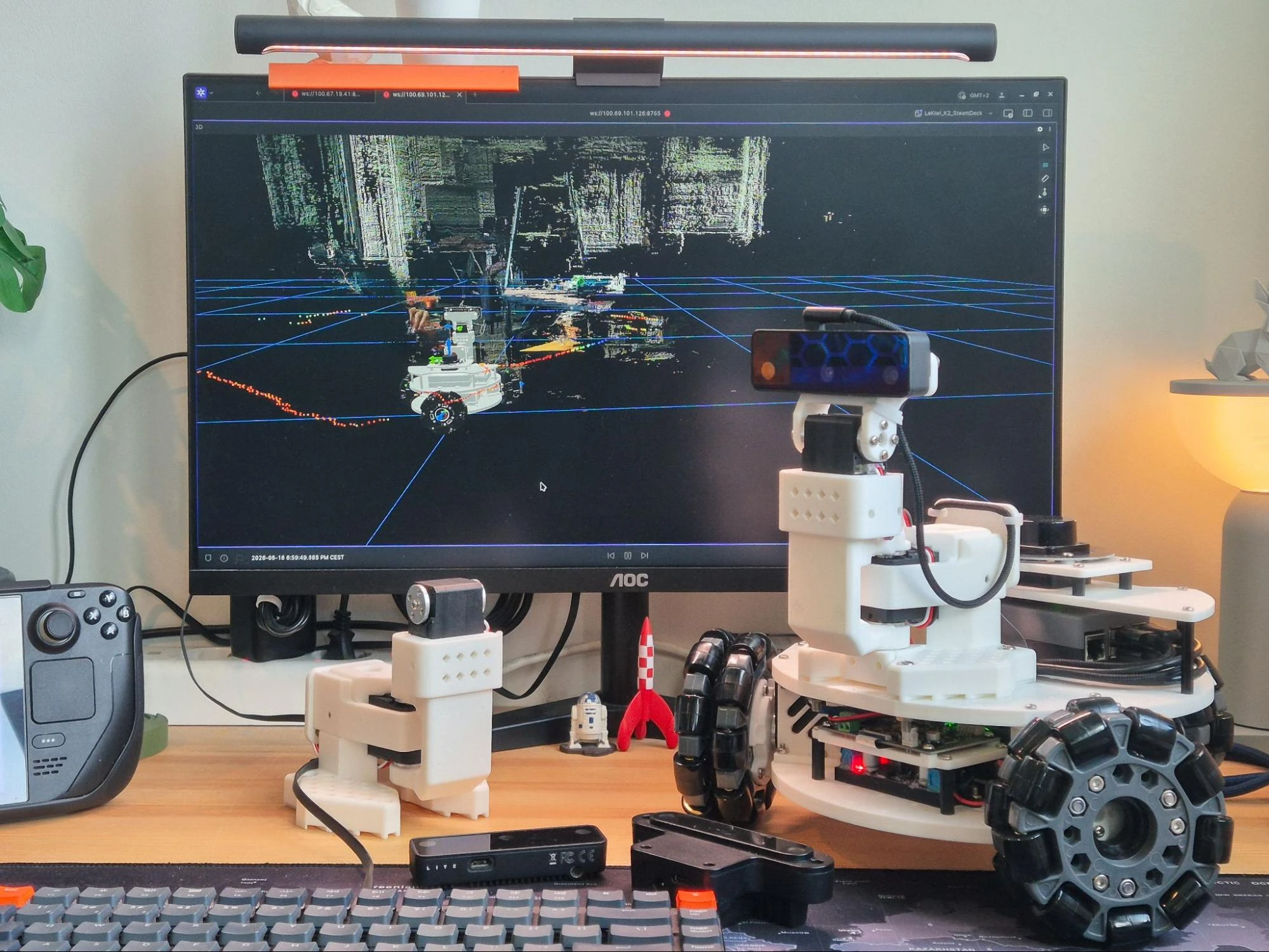
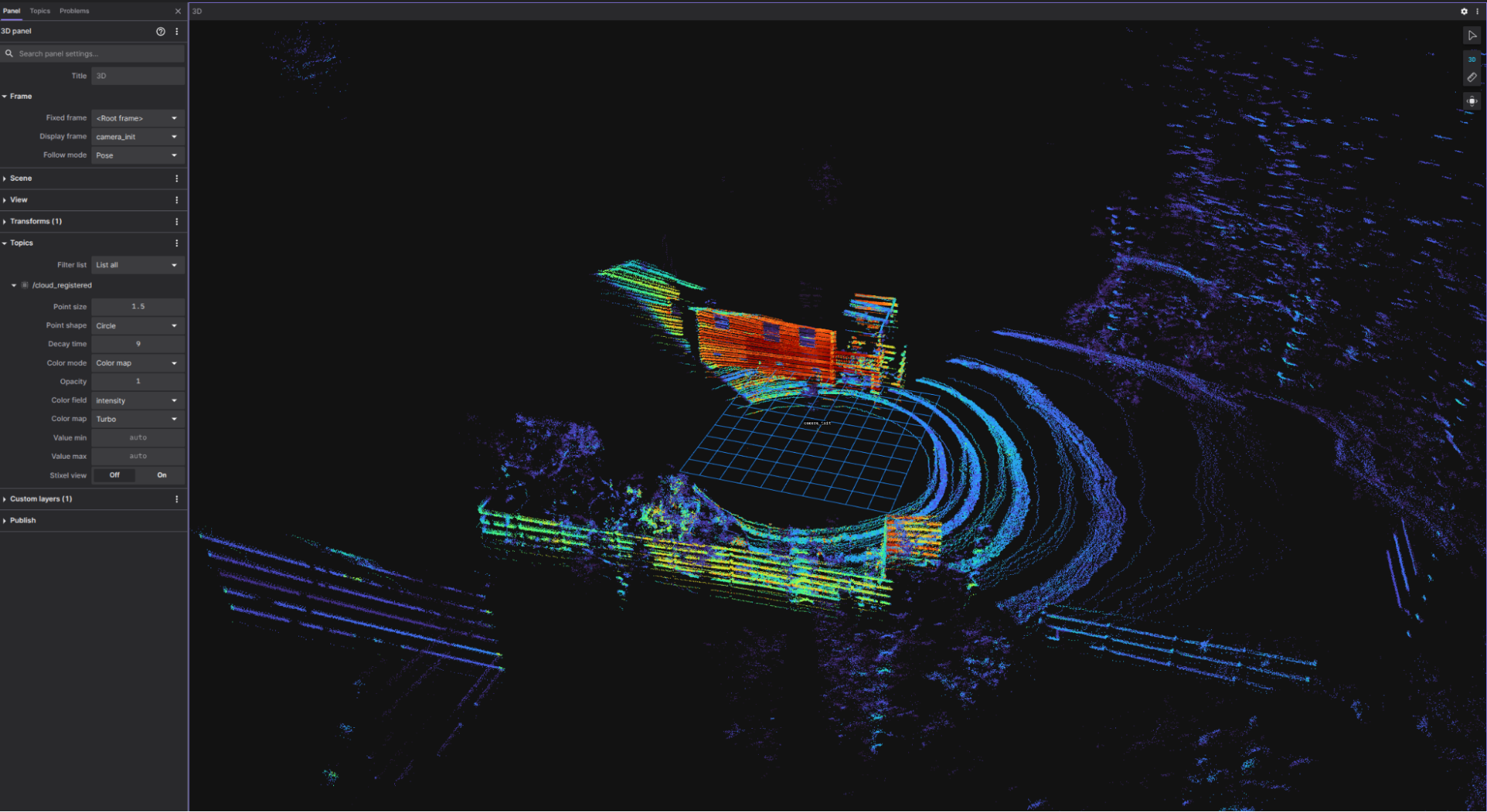
Turning a VLP‑16 Into a “Spherical” Scanner
How a secondhand VLP‑16, one extra mechanical axis, and encoder-based deskewing turned into a cave-mapping learning project
Use Cloudini to visualize compressed point clouds in Foxglove.
Visualize compressed LiDAR and ROS point clouds in Foxglove with the new Cloudini Converter extension
The Foxglove Bridge and Tailscale VPN
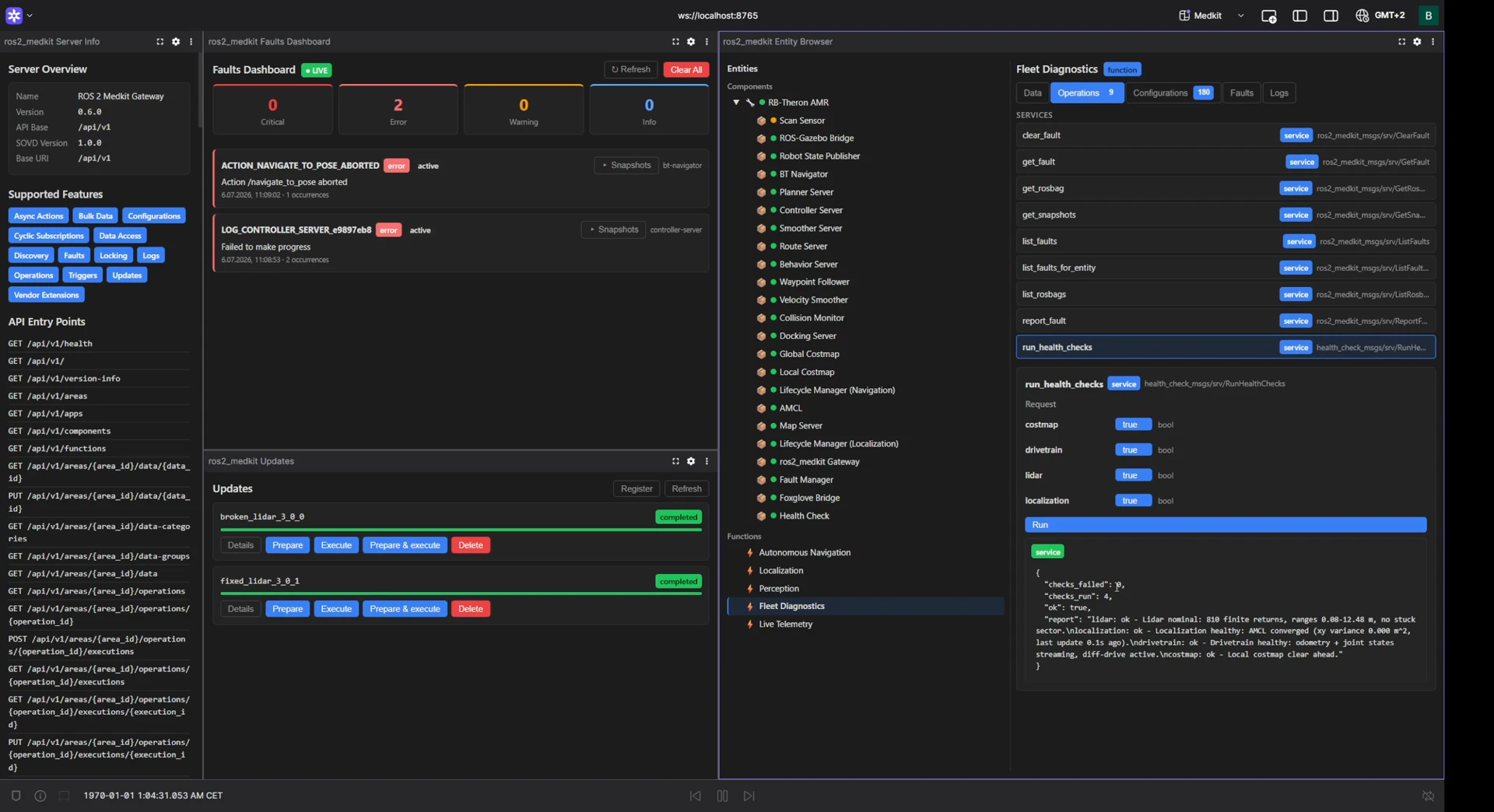
How to set up live telemetry for your ROS system.

Working with scenes and Pointclouds.

Converting the EuRoC MAV Dataset to MCAP and visualizing SLAM using Foxglove.
Comparing ML training using the Foxglove SDK.

Use the Foxglove SDK for real-time industrial PLC data visualization and playback.
Visualizing Open X-Embodiment Dataset in Foxglove.
Using the Foxglove SDK to generate MCAP.
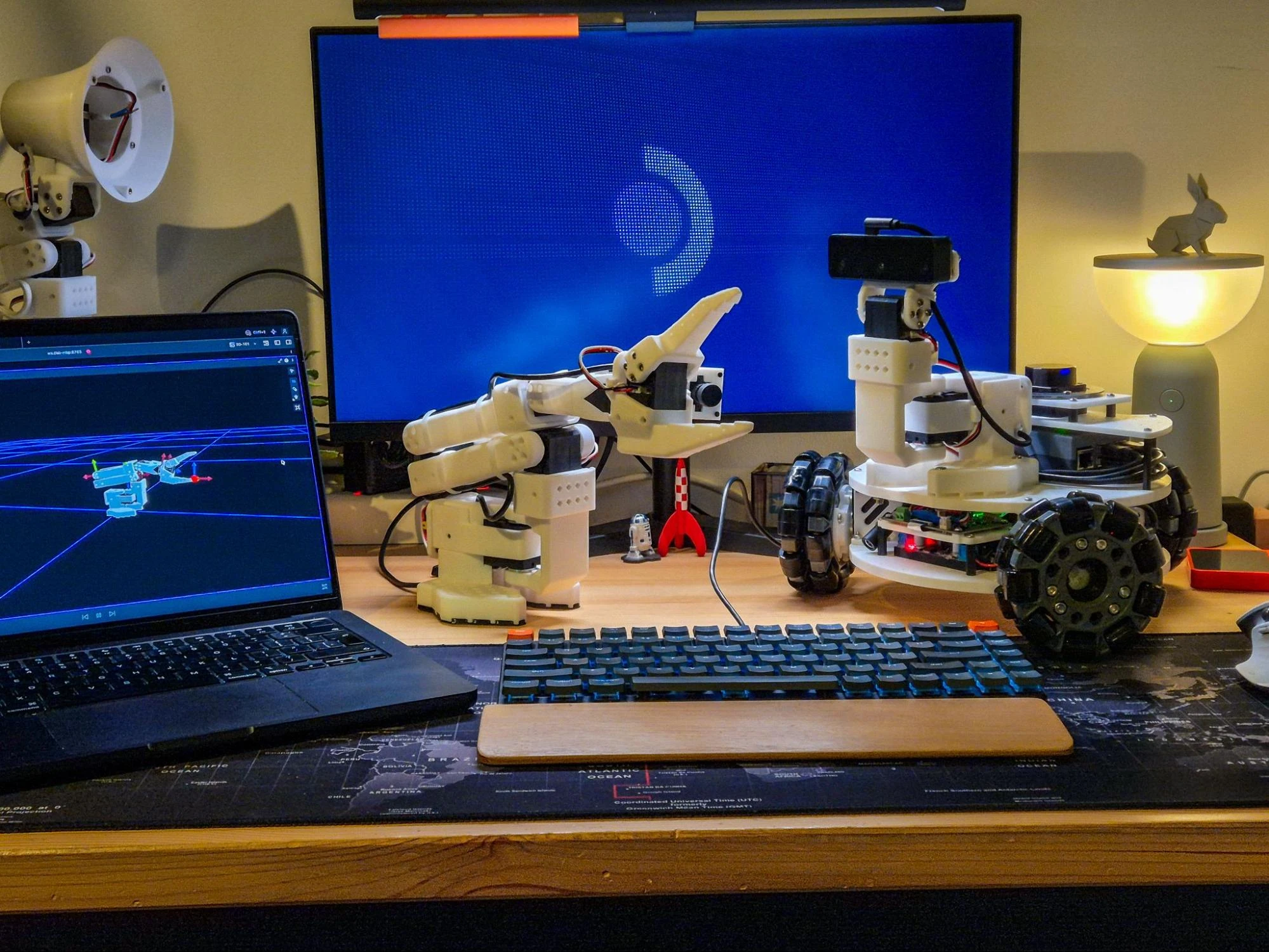
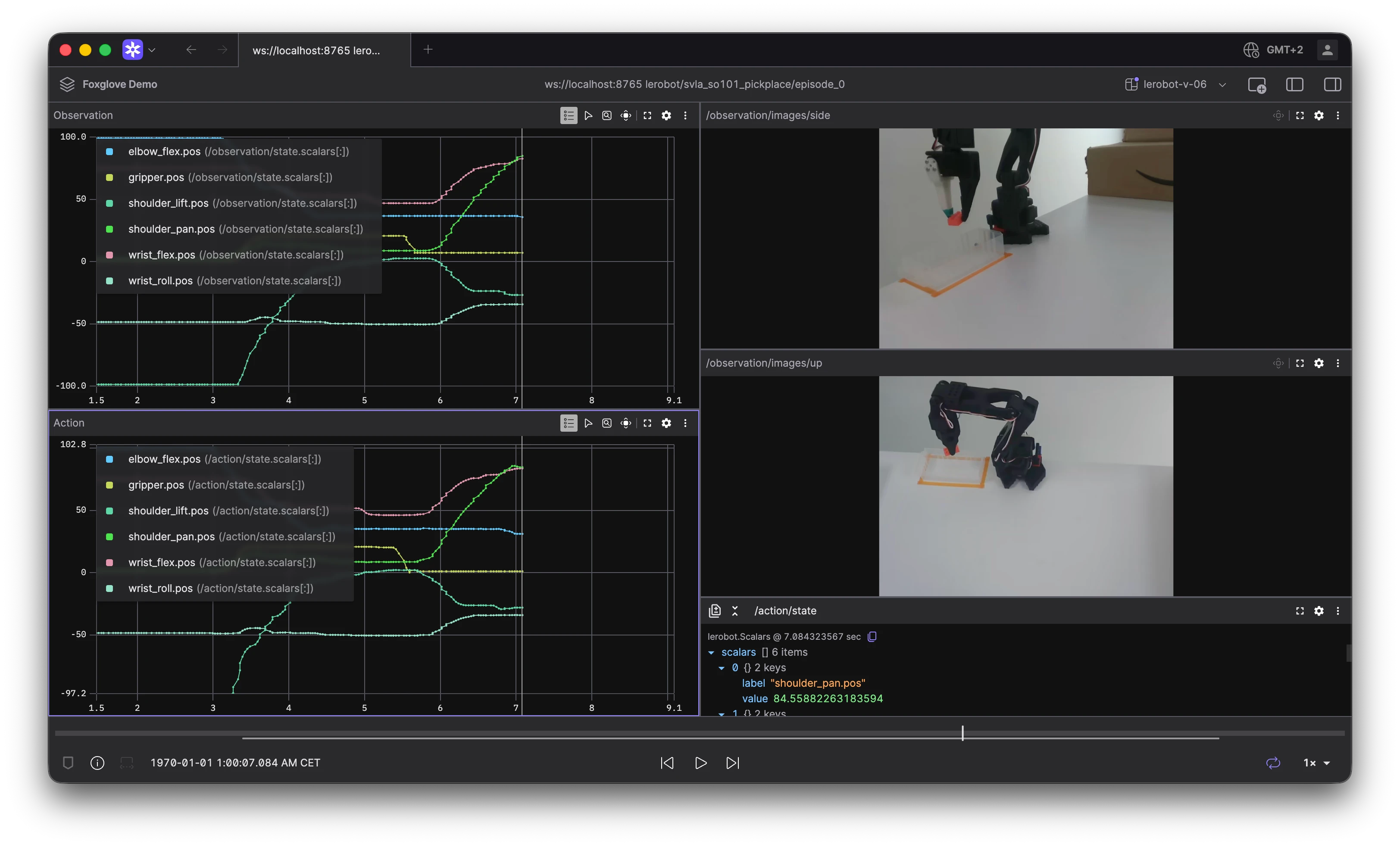
Visualizing LeRobot (SO-100) using Foxglove
Converting the LAFAN1 Retargeting dataset to MCAP.
Converting the Argoverse 2 dataset to MCAP.

ROS 2 composable nodes.
Optimizing ROS 2 communication: reducing latency with composableNodes.
Technical dive into the Foxglove Isaac Sim extension.
The Foxglove Isaac Sim extension enables real-time visualization of robotics simulation data directly in Foxglove.
Converting the WayveScenes101 dataset to MCAP.
MCAP is an open source container file format for multimodal log data.
Converting the Waymo Open dataset to MCAP.
Visualized using Foxglove.